A Virtual Dedicated Server is a virtual machine with guaranteed CPU cores. A VPS shares physical cores with other tenants, so under load your available CPU drops and busy neighbours show up as slow queries or stuttering services. A VDS reserves the cores for your server, and the only thing still virtualized is the hardware layer itself.
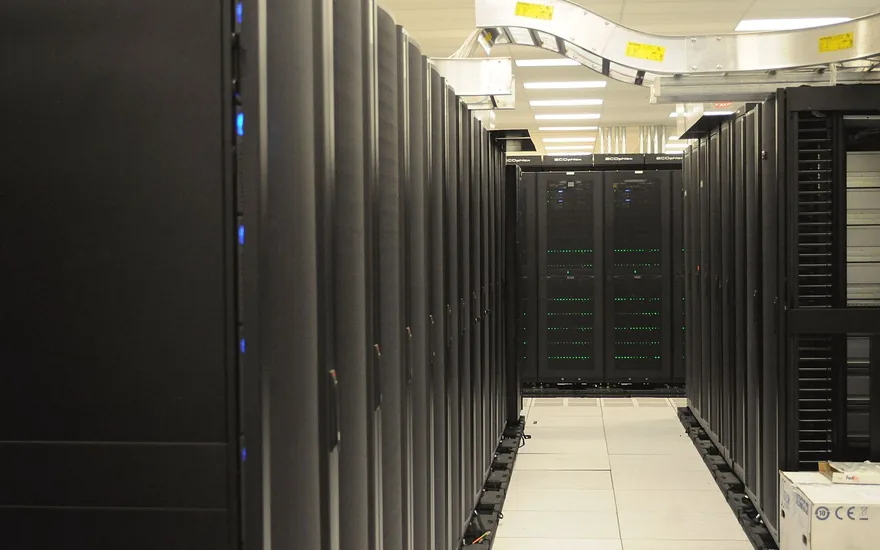
MoradoSolution VDS plans run on AMD EPYC 7C13 processors with DDR4 ECC memory and NVMe Gen 4 storage inside our own Delhi data centre, connected over a 10 Gbps uplink with always-on DDoS filtering at the edge. Every VDS includes full root access, unmetered bandwidth, one dedicated IPv4 address and Cloudflare Magic Transit as an optional add-on. Bare metal goes one step further and hands you the entire physical machine with no virtualization layer at all.
How much does a VDS cost in India?
Four VDS plans run from ₹550 to ₹4,100 per month, and bare metal from ₹4,999 to ₹15,999. All prices are in INR with no forex charge. Every VDS specification is listed on the VDS plan page.
VPS compared with VDS and bare metal
The three product lines differ in exactly one dimension: how much of the machine is yours. This table is the short version.
| Factor | VPS | VDS | Bare metal |
|---|---|---|---|
| CPU | Shared vCPU | Guaranteed dedicated cores | Whole machine, up to 64 cores |
| Virtualization | KVM | KVM | None |
| Memory range | 8 to 96 GB | 8 to 64 GB DDR4 ECC | 32 to 256 GB DDR4 ECC |
| Price from | ₹676 per month | ₹550 per month | ₹4,999 per month |
Which one should you pick?
- VPS for websites, APIs, development boxes and container workloads. Shared cores are fine when your load is bursty and mostly I/O bound.
- VDS when CPU is the bottleneck and you cannot tolerate a neighbour taking cores away: databases under real query load, build servers, and anything that throttles under sustained compute.
- Bare metal when you need the whole machine, for example a hypervisor host, a large database that wants direct disk access, or sustained CPU and network work that would fight a neighbour on shared cores.
The bare metal range lists every configuration, and the infrastructure page has the hardware and network detail behind all three.